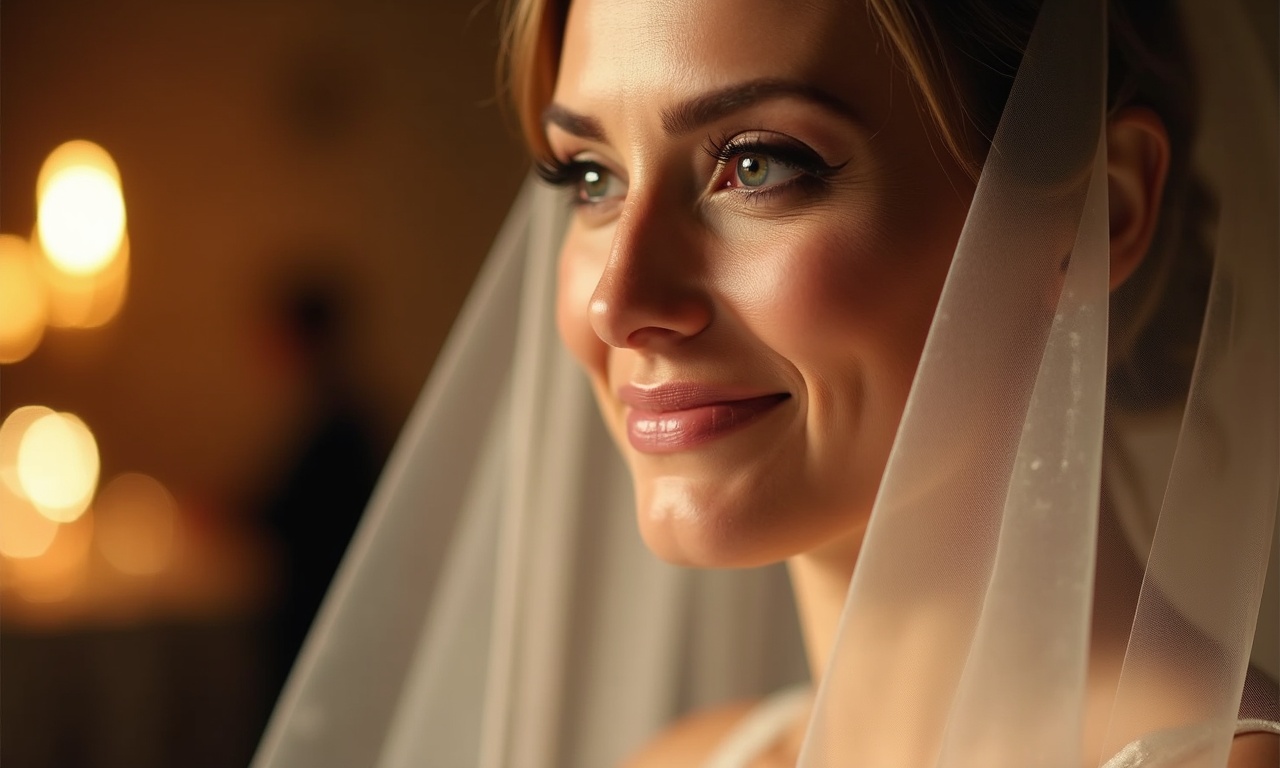
A bride from Cambridge texted me at 9:47 PM on her wedding day. The text was a single photo: her at the reception, glowing, the same eye look I’d done at 8 AM. The caption was four words: “It actually held. Everything.”
That’s the bar. Bridal makeup isn’t successful because it looks beautiful in the bridal suite at 9 AM. It’s successful because it still looks like itself at 11 PM, after vows, photos, hugs, dinner, dancing, and at least one good cry.
Most wedding makeup doesn’t make it. Here’s why, and here’s the exact sequence professional bridal makeup artists use to lock a face for 12+ hours.
Why Standard Makeup Fails at Weddings
Wedding days break makeup in five specific ways, often all in one day:
- Tears. Vows, father-daughter speeches, the first sight of the venue. Even brides who “don’t cry” usually cry. Tears drag mascara, dissolve concealer, and wash off cream blush.
- Heat and humidity. Outdoor June ceremonies in Waterloo Region routinely hit 28°C with humidity. Indoor receptions get warm fast once the dance floor opens. Heat melts oil-based products and makes powder look chalky.
- Hugs and kisses. Every guest, every relative, every photographer angle. Lipstick transfers, foundation rubs off the jawline, blush flattens.
- Long wear time. Most wedding days run 12-14 hours from “stylist arrives” to “last dance.” Standard drugstore-grade makeup is built for 4-6 hours.
- Dancing. Sweat from the reception undoes whatever setting work happened that morning if the products weren’t chosen for endurance.
The fix isn’t more product. It’s the right products in the right sequence.
The Sequence That Locks Makeup for 12+ Hours
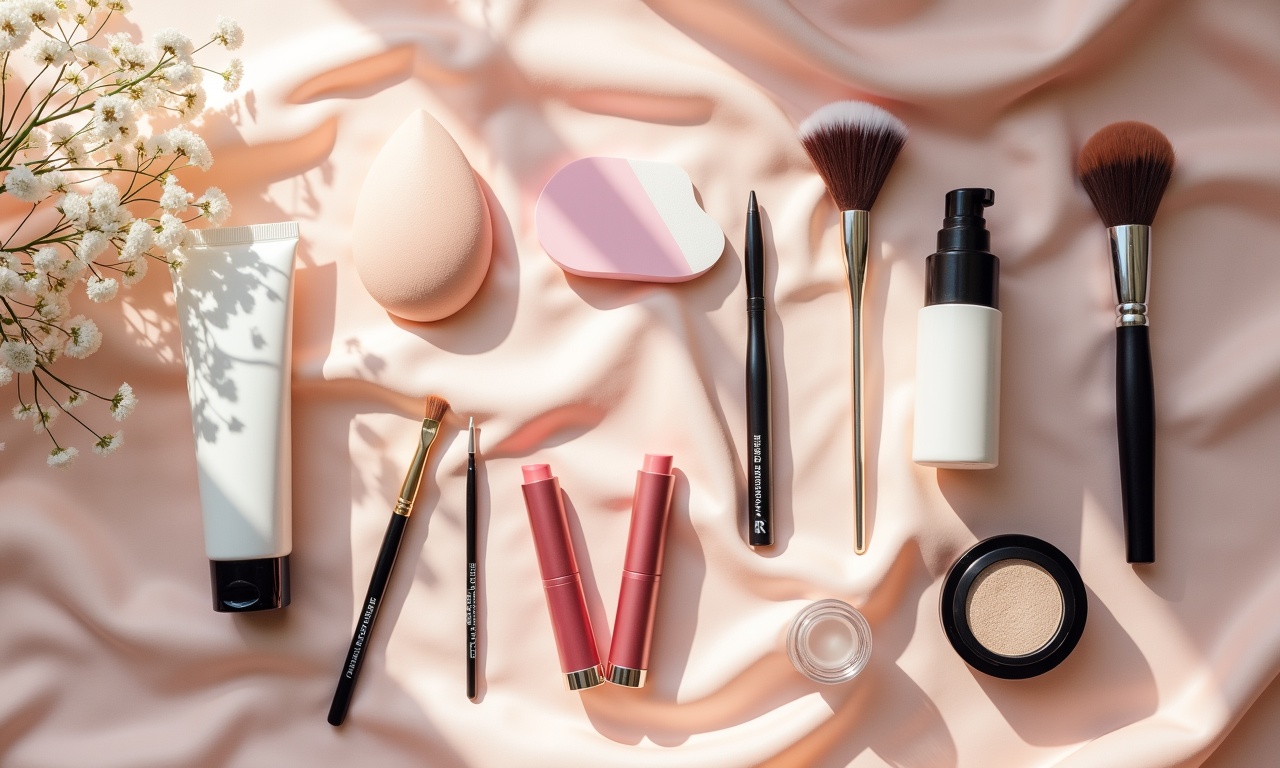
Here is the order I work in for every bride at HB Beauty. Each step exists for a reason. Skip a step and the layer above it migrates within hours.
Step 1: Skin Prep (10 minutes)
Cleanse, moisturize, and let everything absorb fully before any makeup touches the face. This means:
- A mild cleanser to remove any overnight oil and the sunscreen from the morning walk to the bridal suite
- Lightweight, water-based moisturizer (heavy creams sit on top of the skin and break primer)
- Eye cream worked in with a tap, not a rub
- Lip balm exfoliated off after 5 minutes with a damp washcloth
I sometimes get pushback from brides who’ve already done a full skincare routine that morning. The answer is the same: heavy serums and oils applied within 30 minutes of foundation are the #1 cause of wedding makeup sliding by 2 PM.
Step 2: Primer Choice Based on Skin Type
There is no single “best primer.” There is the right primer for your skin and your wedding conditions:
- Oily or combination skin: A mattifying, silicone-based primer in the T-zone only. Gel-based hydrating primer everywhere else.
- Dry or mature skin: A luminous hydrating primer everywhere. Skip silicone.
- Outdoor summer wedding: Add a thin layer of grip primer over the base primer. Grip primer extends foundation wear by 2-4 hours in heat.
- Winter or indoor wedding: Hydrating primer plus a setting spray finish. Skip the heavy mattifying step.
Primer goes on with clean, dry fingers, then you wait 60 seconds before foundation. Sixty seconds. Most people skip this. The primer needs to set or it just gets pushed around.
Step 3: Long-Wear Foundation, Built in Layers
The mistake is one heavy coat. The professional approach is two thin coats with a setting moment between them:
- First thin coat applied with a damp beauty sponge (presses product into skin, doesn’t sit on top)
- Wait 90 seconds
- Spot-conceal anything still showing
- Second very thin coat over high-touch areas only (around the nose, chin, forehead)
- Set the T-zone with translucent powder, applied with a brush, not a puff
Avoid full-face powder. It looks chalky in flash photography and ages mature skin in photos. Powder only where oil breaks through: T-zone, chin, jawline.
Step 4: Color Layers (Cream First, Then Powder)
Cream blush goes on before powder. Powder blush goes on after powder setting. Doing it in this order means colors blend into the foundation rather than sitting on top, which is what creates that “floating” look in reception photos.
Step 5: Setting Spray (Two Passes, Different Distances)
Setting spray is the difference between makeup that looks great in person and makeup that survives 14 hours of real-life movement.
- First pass: hold the bottle 8 inches from the face, mist generously across the whole face, let it dry naturally (no fanning)
- Second pass after eye makeup is done: hold 12 inches away, light mist, focus on T-zone
The two-pass approach with a long-wear setting spray (the kind professional MUAs carry, not the drugstore version) extends wear by 4-6 hours in real conditions. This is the single biggest difference between makeup that lasts and makeup that doesn’t.
Setting Spray vs Setting Powder: Which Does What
A common bride question: do I need both? Almost always, yes. They do different jobs.
- Setting powder locks foundation in place and absorbs oil. Best applied lightly to the T-zone with a brush.
- Setting spray binds all the layers together (primer, foundation, powder, blush) and adds a flexible barrier that resists humidity and sweat.
Setting powder alone on dry or mature skin makes the face look flat and adds fine lines. Setting spray alone on oily skin lets the T-zone slide by mid-day. Use both, in their right places.
For a deeper dive on choosing the right foundation for your skin type and lighting, our foundation guide for brides walks through the matching process.
Eye Makeup That Survives Crying
This is where most wedding looks fall apart. Standard eye makeup was not designed for vows.
For mascara:
- Tubing mascara (forms tiny tubes around each lash) for brides who cry hard. It doesn’t smudge with water; it slides off in tiny tubes when you wash it off. No raccoon eyes from tears.
- Waterproof mascara for brides who don’t typically cry but want insurance against humidity. Harder to remove at night, but excellent for outdoor summer weddings.
For shadow:
- Cream shadow base under powder shadow keeps colors true through the night
- Skip glittery powder shadows for the ceremony (they migrate into under-eyes within 4 hours)
- Save shimmer for the eyelid center only, blended into matte transition shades
For liner:
- Long-wear gel liner outperforms liquid liner for 12-hour wear
- Smudge-proof pencil for the waterline (yes, the waterline matters for photos)
- Apply liner before mascara, never after
For brows:
- Tinted brow gel locks shape better than pencil alone
- A clear brow gel over pencil-and-tint gives the brow movement without flatness
Touch-Up Kit: What to Hand Your Maid of Honor
Every bride should leave the styling chair with a small kit her maid of honor or mother carries. The kit should solve the five most common reception fixes in under 60 seconds:
- The exact lip product applied that morning (color and finish) - tube and a small mirror
- Pressed powder for the T-zone - one small compact, never loose powder for portability
- Blotting papers - 10-15 sheets, oil control without disturbing makeup
- Q-tips - 5-6 in a small bag, for fixing under-eye smudges or sharpening lip lines
- Concealer in a stick form - matched to foundation, for refreshing high-touch areas
This is also why I encourage brides to book day-of touch-up service. We brought your full kit; we know your face under your wedding lighting; we can do in 5 minutes what your maid of honor will spend 20 trying to figure out.
How to Stress-Test This Before Your Wedding
The single most important step in long-wear bridal makeup is the trial. Not for color matching (though that matters), but for endurance testing.
A proper bridal trial leaves the makeup on all afternoon, then evening. You should be able to:
- Eat lunch and dinner with the full face on
- Cry deliberately (try a sad movie) and see how the eye makeup holds
- Sweat through a brisk walk
- See how it photographs in different lighting (golden hour, indoor lamp, flash)
If your stylist won’t let you keep the trial on or doesn’t ask you to report back the next day, that is a quality control gap. We build feedback into every bridal makeup trial for exactly this reason.
The Real Test of Wedding Makeup
Look at any good bridal portfolio. The makeup looks beautiful in the morning shots. That part is easy. The harder, more honest test is the reception photos at 10 PM. Does the foundation still look like skin? Are the eyes still defined? Did the lip hold through dinner?
If you’re looking at portfolios and only seeing morning shots, ask for evening ones. A bridal makeup artist who can deliver 12-hour wear has 12-hour proof.
For brides searching for that level of quality across Waterloo Region, our bridal makeup service is built around long-wear from the first product touch to the last setting spray. We also detail what’s included end-to-end in the Ontario wedding beauty guide.
Brides in Kitchener and across the region book us 6-12 months in advance for peak season Saturdays. If your wedding is coming up, the trial is the single best way to see this work in action before your day.
This guide reflects HB Beauty’s bridal makeup approach and the techniques we use across hundreds of Waterloo Region weddings. Specific product brand recommendations are intentionally avoided here; we choose products at your trial based on your skin type, wedding conditions, and budget.
